
Homeschool Resources: A One Stop Shop (Tried and tested)
- Alicia - Wandering Soul Co.

- Apr 18
- 4 min read
Explore how you want to homeschool
Types of Homeschool styles:
Charlotte Mason - Cozy, slower learning with books, nature, and genuine connection.. no rushing through work.
Traditional - Structured, predictable, school at home style with workbooks, schedules, and clear daily tasks.
Montessori - Hands-on independent learning where kids are doing things themselves and you're more guiding than teaching.
Eclectic - A mix of everything that just works for your family, no strict rules, just what feels right.
Unschooling - Learning through real life and interests instead of a set curriculum.. very go-with-the-flow and trust-based.
YouTube Channels:
Educational Websites:
Homeschool Curriculums:
The Good and The Beautiful - (Provides free K-8 printable curriculums or you can purchase a hard copy) Intended for grades Pre-k through Highschool.
MasterBooks - (Provides curriculums from math, science, history, language arts, and electives)
Simply Charlotte Mason - Gentle liteture-based approach that focuses on meaningful learning instead of busy work. What I really appreciate is how easy it is to weave in subjects like Latin and other languages without it feeling forced and they naturally fit into the flow of learning rather than another box to check.
Christian Light - This is a more structured and straightforward, which can really be grounding as it uses a workbook-style approach with clear lessons. I especially like incorporating their home economics materials because they bring practical, real-life skills that kids can actually carry with them beyond academics, which feels more important to me.
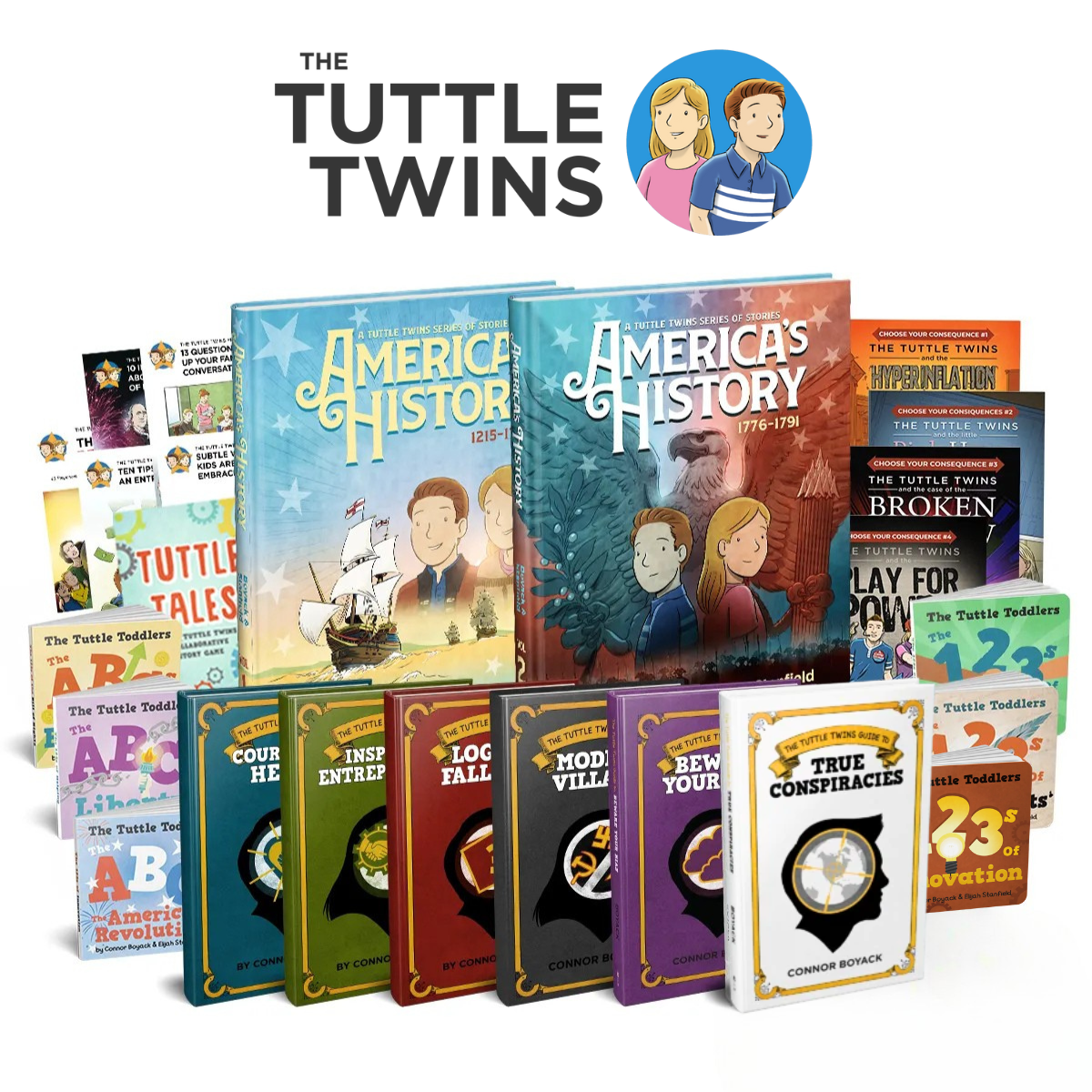
The Tuttle Twins - When it comes to economics, entrepreneurship, and critical thinking Tuttle Twins is your go to guide that makes real life seem like a story.
Core Curriculum Links:

News:
World Watch News: For intentional and well-informed mornings and for their daily current events, this is a Christian based news platform that makes everything a bit easier to understand without all the overly chaotic parts.
How to Start Homeschooling (A Simple Guide to Begin)
Starting homeschooling can feel like a lot at first but it doesn’t have to be overwhelming.
When I first began looking into it, I realized it’s really about taking a few intentional steps and giving yourself the space to learn along the way.
Here’s a simple way to begin:
✨ 1. Start with your state requirements
Before anything else, take a little time to look into your state’s homeschool laws.
Every state is different some require notice, some require testing or record-keeping, and others are much more flexible. This step just helps you understand what’s expected so you can move forward confidently.
✨ 2. If your child is enrolled, understand the withdrawal process
If your child is currently in school, you’ll want to make sure you officially withdraw them properly. This is usually a simple step, but it’s important so there are no attendance concerns or confusion.
✨ 3. Know what (if anything) you need to keep track of
Depending on your state, you may need to keep records like:
attendance
a simple portfolio
or occasional testing
Some families have more requirements, some have very few but knowing ahead of time brings a lot of peace of mind.
✨ 4. Think about what kind of homeschool you want
Before jumping into curriculum, take a moment to think about your child and your family.
Do you want something structured and open-and-go? Something more relaxed and literature-based? Faith-based? Hands-on?
There’s no one right way and that’s part of the beauty of homeschooling.
✨ 5. Choose your curriculum intentionally
Once you have a sense of your direction, you can start choosing curriculum that fits your goals. You don’t need everything at once. Start with the core subjects and build from there. It’s okay to grow into your homeschool over time.
✨ 6. Create a gentle plan (not a rigid schedule) You don’t need to recreate a traditional school day.
Instead, think in terms of rhythm:
what subjects you’ll cover
how your week might flow
when your child learns best
This keeps things structured without feeling overwhelming.
✨ 7. Give yourself room to adjust, this might be the most important part.
Homeschooling is not about getting everything perfect from day one it’s about learning what works for your child and adjusting as you go.
Some things will work beautifully. Others won’t and that’s okay.
That flexibility is one of the greatest gifts of homeschooling.
🤎 A Gentle Reminder
You don’t have to have it all figured out to begin.
Start with the basics, take it one step at a time, and trust that you’ll find your rhythm.
At the end of the day, homeschooling is less about doing everything “right” and more about creating a space where your children can learn, grow, and truly be themselves.
Resources to get started:
HSLDA’s website is something I like having in my back pocket as a homeschool mom. It’s where I can go to understand what’s actually required in my state and feel a little more confident that I’m doing things the right way. They also offer legal support if it’s ever needed, which just brings peace of mind. It’s not something I’m constantly on, but it’s reassuring knowing it’s there if I have questions or need guidance.
*Note: I am affiliated with some, but not all resources provided.
I will update this post quite a bit as I continue to find more information and testing it all out for myself.


Comments